Eşha Berleri Your window to culture, music & story

Eşha Berleri

Your window to culture, music & story

Latest Articles

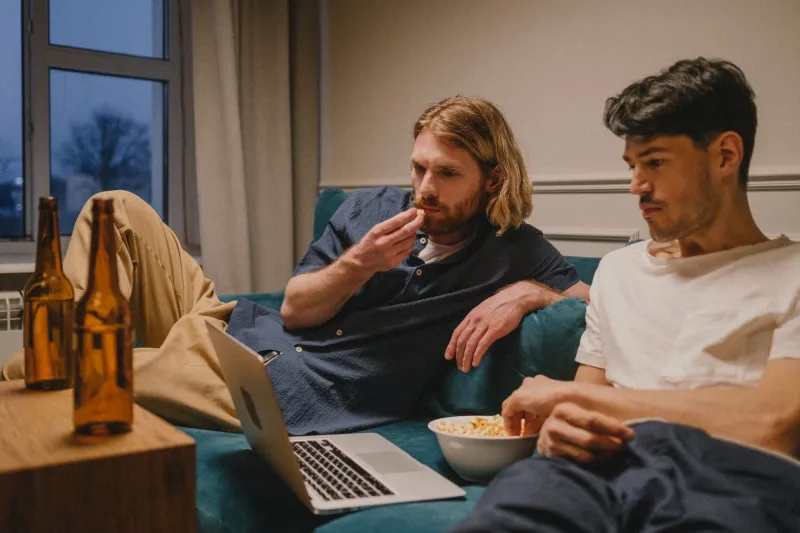
Can't Spoil What You Can't Fully Decode: The Strange Freedom of Watching Foreign TV
Stories & Deep Dives

Can't Spoil What You Can't Fully Decode: The Strange Freedom of Watching Foreign TV

When Americans fall for a foreign show, something weird happens to the usual spoiler panic — it just kind of dissolves. Turns out, when a story lives inside a language and culture that isn't yours, the whole concept of 'ruining it' gets a lot more complicated.

No Apologies, No Shame: How the Internet Killed the Guilty Pleasure for Good
Music & Culture

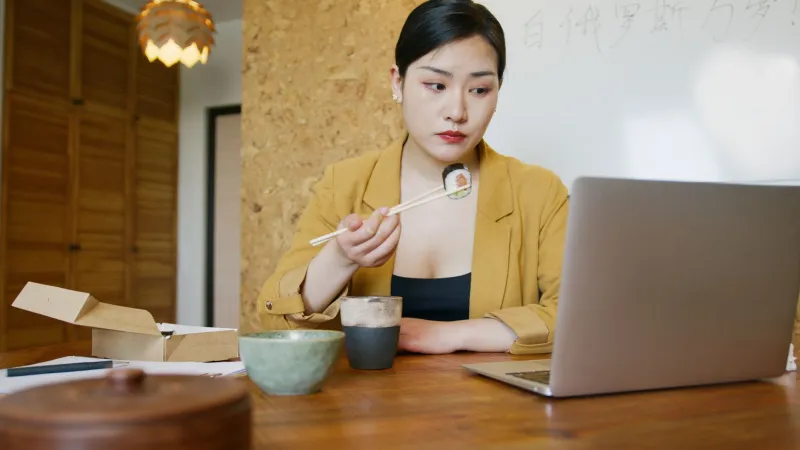
No Apologies, No Shame: How the Internet Killed the Guilty Pleasure for Good

Remember hiding your love for cheesy telenovelas or badly dubbed kung fu flicks? That era is officially over. Social media didn't just make it okay to love 'lowbrow' foreign content — it made that love something worth shouting about.

Watch It, Taste It, Get It: How Food Docs Are Giving Americans a Whole New Kind of Fluency
Stories & Deep Dives

Watch It, Taste It, Get It: How Food Docs Are Giving Americans a Whole New Kind of Fluency

You don't need to speak Mandarin to feel something when a grandmother in Sichuan carefully folds dumplings for the last time before a holiday. Food documentaries are quietly doing something that language classes and travel guides never quite pulled off — making American audiences genuinely feel at home inside cultures they've never touched. And the crazy part? It's working.

Pixels Speak Louder: How Gen Z Built a Visual Language the Whole World Already Knows
Music & Culture

Pixels Speak Louder: How Gen Z Built a Visual Language the Whole World Already Knows

Forget Duolingo streaks and phrasebooks. Gen Z is communicating across continents using a visual shorthand built from emojis, reaction images, and meme formats that somehow everybody just gets. It's not English, it's not any language really — and that might be exactly why it works.

Lost in the Punchline: What Happens When the Joke Only Works in the Original Language
Stories & Deep Dives

Lost in the Punchline: What Happens When the Joke Only Works in the Original Language

Some jokes don't travel. They don't even make it to the airport. This is the story of what gets left on the cutting room floor when comedy meets translation, and what that gap quietly tells us about the way we actually think when we laugh.

The Part You Don't Understand Is the Part That Stays With You
Stories & Deep Dives

The Part You Don't Understand Is the Part That Stays With You

There's something happening when an American viewer cries at a Korean drama scene they only half-understood, or feels gutted by a Japanese anime moment that nobody around them can fully explain. Turns out, the gap in comprehension isn't killing the emotional experience — it might actually be creating it. We went looking for answers in the science of ambiguity, and what we found was kind of beautiful.

Words You Never Knew You Needed: The Foreign Feelings America Is Finally Naming
Music & Culture

Words You Never Knew You Needed: The Foreign Feelings America Is Finally Naming

English is a massive language, but it still leaves entire rooms of human experience completely dark. More and more Americans—especially younger ones—are borrowing words from German, Japanese, Portuguese, and beyond to finally put a name to feelings they've carried for years without any label at all.

Broken English, Unbroken Reach: Why the Accent Is the Brand Now
Music & Culture

Broken English, Unbroken Reach: Why the Accent Is the Brand Now

For decades, American media quietly demanded that anyone with a microphone sound like they were from nowhere in particular. That era is over. A new generation of creators is proving that the way you say something matters just as much as what you're saying — and their audiences can't get enough of it.

When the Fans Know Better: The Underground War Over What Subtitles Actually Say
Stories & Deep Dives

When the Fans Know Better: The Underground War Over What Subtitles Actually Say

Streaming platforms spend millions on official subtitles, but devoted fan communities are calling them out — word by word, scene by scene. What happens when the people watching a show care more about getting it right than the corporation distributing it?

You Know Exactly What They Mean and You Don't Speak a Word of It
Stories & Deep Dives

You Know Exactly What They Mean and You Don't Speak a Word of It

Something strange is happening to American viewers who binge foreign content. They're not learning vocabulary or grammar — they're learning to feel. Neuroscience and a growing wave of personal testimony suggest that emotional fluency might be its own kind of language.

They Kept the Ending and Lost the Whole Point: What American Remakes Get Wrong From Scene One
Stories & Deep Dives

They Kept the Ending and Lost the Whole Point: What American Remakes Get Wrong From Scene One

American remakes have a habit of copying the skeleton of a foreign story while quietly discarding the soul. The result is something that looks familiar but feels hollow — and audiences, even when they can't name why, almost always notice.

Fluent by Accident: The Surprising Way Binge-Watching Is Doing What Spanish Class Never Could
Stories & Deep Dives

Fluent by Accident: The Surprising Way Binge-Watching Is Doing What Spanish Class Never Could

Nobody sat down to learn Korean. They sat down to watch a show. But somewhere between episode three and episode twenty, something clicked — and now millions of Americans are discovering they actually kind of... speak things. Here's why your streaming queue might be the best language teacher you never paid for.

Something Always Gets Left Behind: The Quiet Tragedy of Hollywood's Foreign Film Remakes
Stories & Deep Dives

Something Always Gets Left Behind: The Quiet Tragedy of Hollywood's Foreign Film Remakes

Hollywood has been borrowing stories from around the world for decades, pouring enormous budgets into American versions of foreign films and shows that audiences already loved. But somehow, the magic almost never makes the trip. We dug into why that keeps happening — and what the rare exceptions can teach us.

Turning Off the Dub: Why Millions of Americans Are Watching Foreign Shows the 'Hard Way' on Purpose
Stories & Deep Dives

Turning Off the Dub: Why Millions of Americans Are Watching Foreign Shows the 'Hard Way' on Purpose

Streaming platforms keep making it easier to watch foreign content in English. So why are more Americans actively refusing that option? A deep dive into the quiet revolution happening in living rooms across the country — and what it says about where entertainment is headed.

Hollywood Called. The Rest of the World Didn't Pick Up.
Stories & Deep Dives

Hollywood Called. The Rest of the World Didn't Pick Up.

Something shifted in the streaming wars, and it wasn't what anyone in Burbank expected. Shows made in Seoul, Madrid, and Mumbai are landing harder with American audiences than the stuff built specifically for them — and the platforms are starting to take serious notes.

Wired on Subtitles: What Happens to Your Brain When You Grow Up on Foreign Shows
Stories & Deep Dives

Wired on Subtitles: What Happens to Your Brain When You Grow Up on Foreign Shows

A whole generation of young Americans is quietly becoming multilingual — not in classrooms, but on their couches. Daily exposure to Korean dramas, Turkish series, and Japanese anime isn't just broadening taste; researchers and linguists say it's actually reshaping how Gen Z thinks, feels, and talks to each other.

Glass Skin, Cottagecore Coords, and a Whole New Alphabet: How East Asian Aesthetics Became the Way Young Americans Speak About Themselves
Music & Culture

Glass Skin, Cottagecore Coords, and a Whole New Alphabet: How East Asian Aesthetics Became the Way Young Americans Speak About Themselves

It started with a 12-step skincare routine and a pair of platform Mary Janes, but somewhere along the way it became something much bigger. For millions of young Americans, K-beauty and J-fashion aren't trends to copy — they're a language to speak. And once you learn it, a whole world of stories, sounds, and screens opens up.

Reading the Screen: How Americans Went From Subtitle-Phobic to Subtitle-Obsessed Almost Overnight
Stories & Deep Dives

Reading the Screen: How Americans Went From Subtitle-Phobic to Subtitle-Obsessed Almost Overnight

For decades, slapping subtitles on a foreign film in America was basically a box office kiss of death. Then something shifted — quietly, quickly, and almost without anyone noticing — and now millions of Americans are choosing subtitled content on purpose. Here's how that happened.

Music & Culture

You Don't Need the Translation: Why the Catchiest Lines in America Right Now Aren't in English

Something changed in American music listening culture and most people didn't notice when it happened. The most infectious hooks blowing up on streaming right now are in Spanish, Korean, Portuguese, and Arabic — and nobody's asking for a translation. Here's why that matters.

Stories & Deep Dives

Borrowed Light: How Foreign Cinema Is Quietly Rewriting the American Screenplay

Hollywood has always borrowed from the world, but something different is happening now. A new generation of screenwriters and indie filmmakers is lifting storytelling techniques from international cinema — and the results are reshaping what American audiences expect from a story.